Courage, Competition and the Spirit of the Tasman
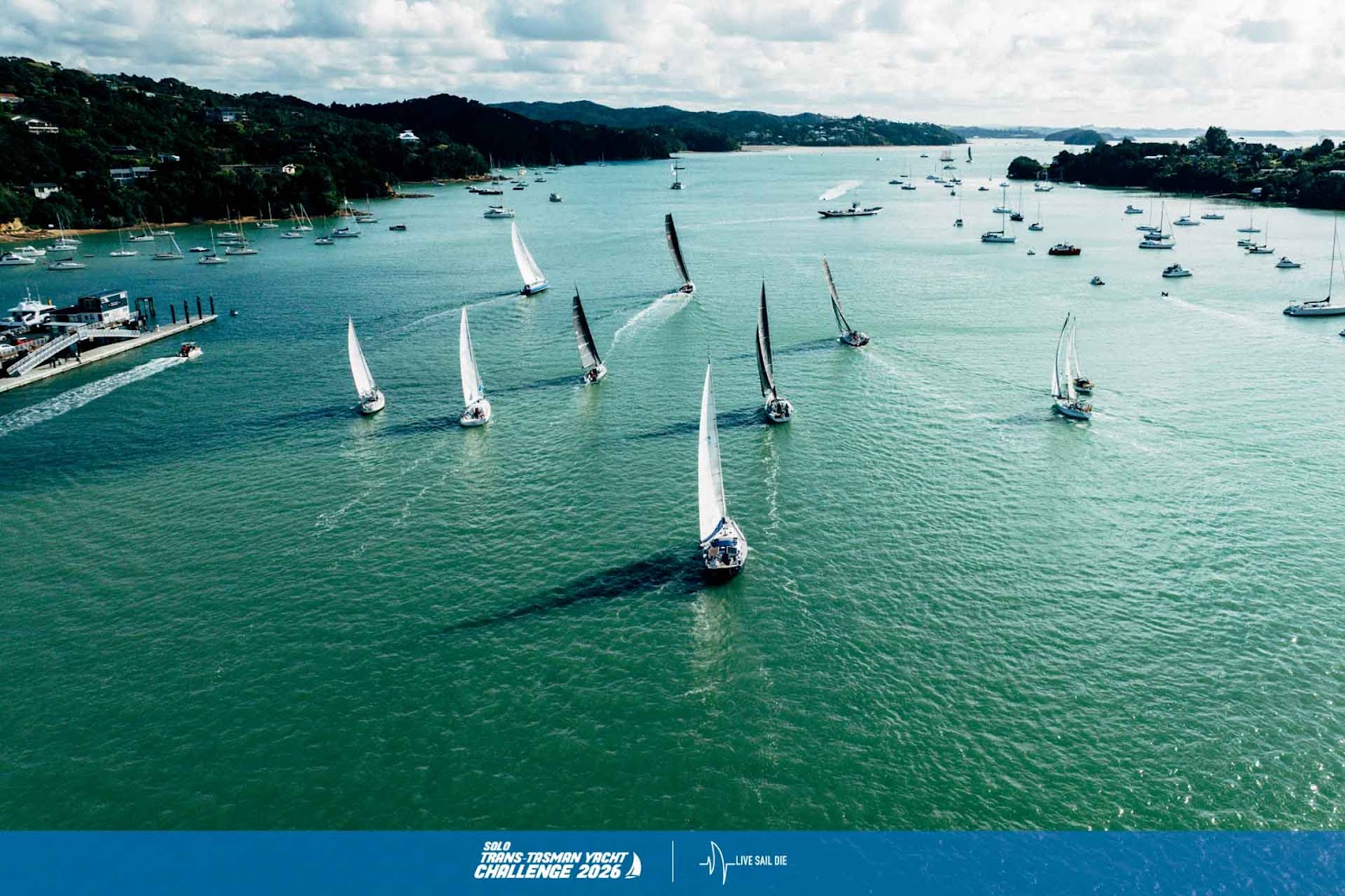
The first five competitors in the 2026 Solo Trans-Tasman Yacht Challenge have crossed the finish line at Southport Yacht Club.
Each arrival has brought its own story of perseverance, seamanship, exhaustion, and triumph. From high-speed multihulls surfing down waves at over 20 knots to monohull skippers enduring days of relentless weather, these sailors have demonstrated exactly what the Solo Trans-Tasman Yacht Challenge is all about.
1st Across the Line – Guy Chester, Oceans Tribute
The honour of being first to Southport belongs to Guy Chester aboard the Crowther Design 93 trimaran Oceans Tribute.
Crossing the finish line on 5 June after 6 days, 7 hours, 34 minutes and 36 seconds at sea, Guy claimed Overall Line Honours and added another chapter to the remarkable history of the boat. Throughout the crossing, Oceans Tribute proved to be a formidable performer, consistently leading the fleet despite encounters with heavy squalls, lightning, steep seas and relentless spray.
As Guy reported in the closing stages, conditions were “wet, salty and lumpy,” a fitting description of the Tasman Sea during this year’s race. Despite the challenges, he maintained impressive speeds throughout the passage and never relinquished his lead.
Being first across the line in a solo ocean race requires more than a fast boat. It demands concentration, endurance and the ability to make sound decisions while fatigued and alone. Guy delivered on all fronts and deservedly took the first finish gun of the race.
First Monohull Home – Sharon Ferris-Coat, Vixen Racing
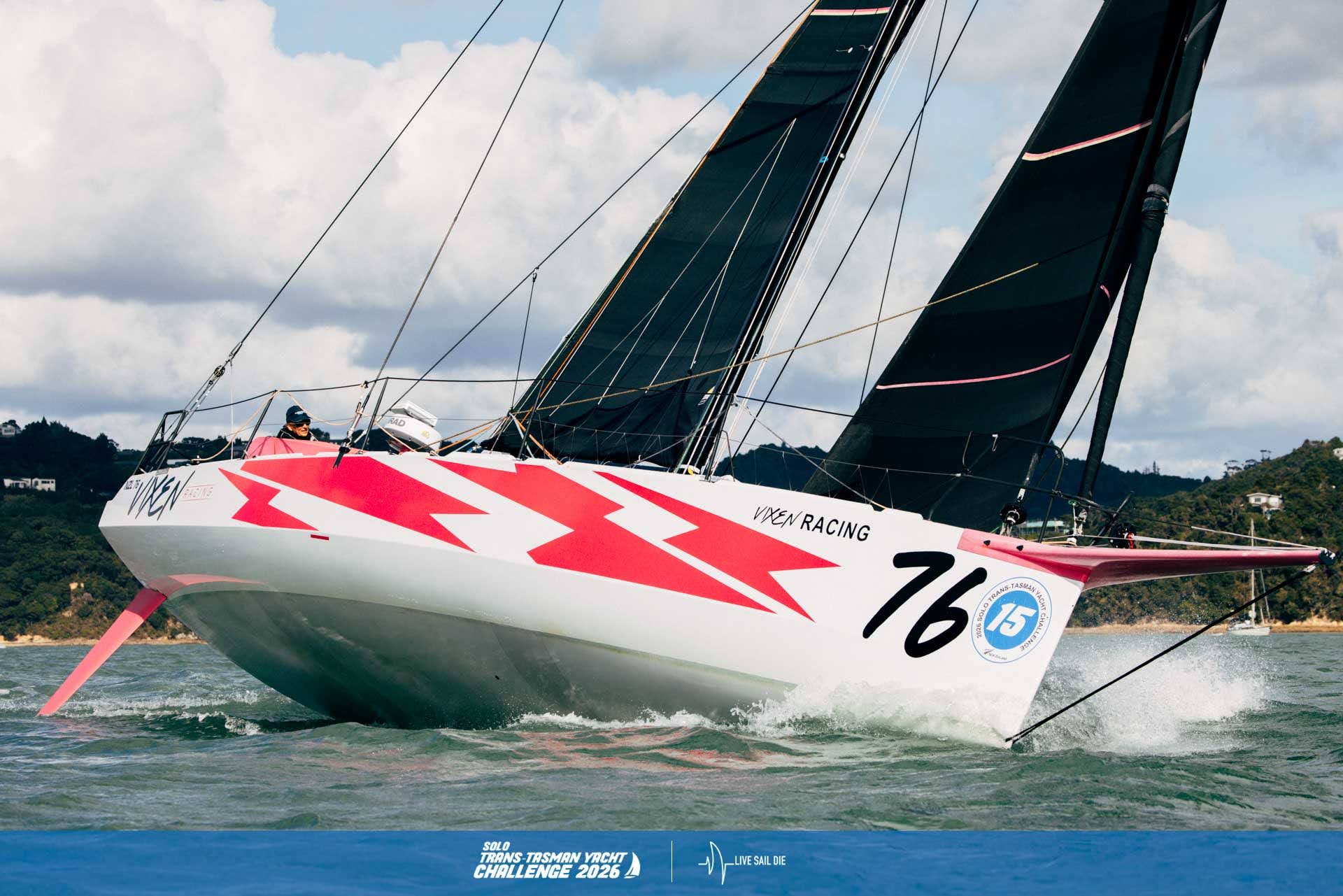
Just hours after Oceans Tribute arrived, Sharon Ferris-Coat aboard Vixen Racing etched her name into Solo Trans-Tasman history as the first monohull to finish.
After seven demanding days at sea, Sharon guided her Verdier 40 through the Gold Coast Seaway to a well-earned welcome from supporters gathered at Southport.
Her race was characterised by consistency, determination and remarkable pace. During the final stages she posted some of the best 24-hour runs in the fleet, charging towards Australia despite enduring hail, powerful squalls and some of the most challenging conditions encountered during the crossing.
As the only female competitor in this year’s event, Sharon’s achievement resonated strongly with followers of the race. Her finish was celebrated not only as a personal victory but also as an inspiration to sailors considering their own offshore challenges.
The first monohull home is always a significant milestone, and Sharon’s performance aboard Vixen Racing was nothing short of outstanding.
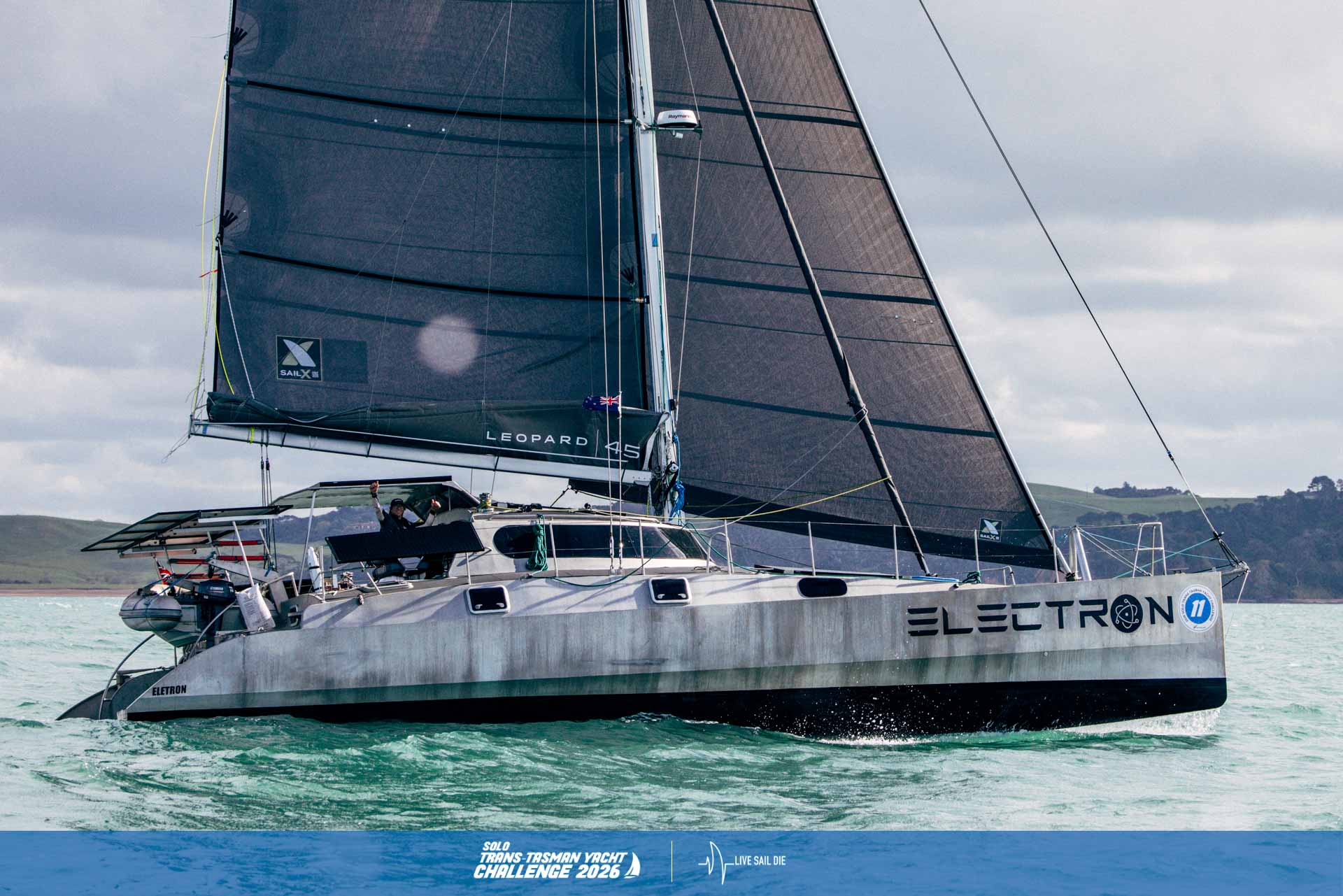
Third to Finish – James Foster, Electron
The third boat to reach Southport was James Foster aboard the Mumby 48 catamaran Electron.
In the final days of the race, Electron came alive. James reported surfing at speeds approaching 25 knots as favourable reaching conditions allowed the catamaran to unleash its full potential. The result was one of the fastest closing runs of the race, including an astonishing 220 nautical miles covered in a 24-hour period.
While visibly exhausted during his final communications with Race Management, James remained upbeat as he pushed hard toward the finish line. His combination of speed, skill and persistence saw him secure third place across the line and complete an exceptional Tasman crossing.
The performance of Electron highlighted the diversity of the fleet and demonstrated how quickly conditions can transform a race when weather and boat design align.
Fourth Across the Line – Malcolm Dickson, Sarau
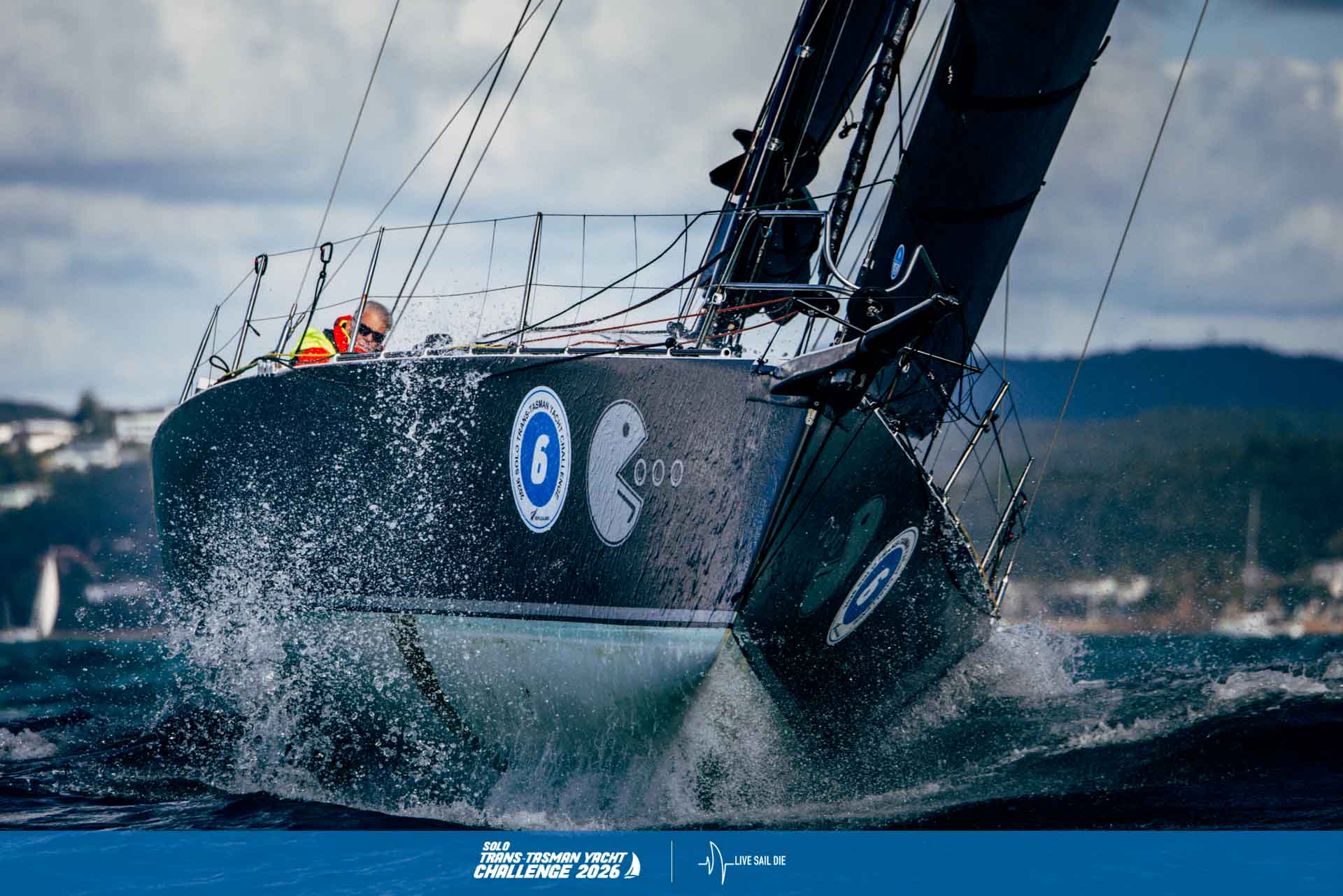
Few stories captured the imagination of race followers more than the battle between Malcolm Dickson aboard the 55-foot Sarau and Peter Elkington aboard Pacman.
For days the two yachts traded positions as they charged toward the Australian coast. As the finish approached, less than a single nautical mile separated them on the tracker, creating one of the closest contests in the history of the event.
Malcolm’s campaign aboard Sarau was a masterclass in offshore racing. Consistently among the leaders on corrected time and always in contention, he demonstrated the value of experience, patience and tactical decision-making.
Crossing the line in fourth place after an intense duel with Pacman, Malcolm delivered one of the standout performances of the race and remained a major factor in the handicap competition throughout the crossing.
Fifth Across the Line – Peter Elkington, Pacman
Only 24 minutes and 22 seconds behind Sarau, Peter Elkington brought the Young 11 Pacman safely to Southport to complete the first five finishers.
For many followers of the race, Pacman became one of the most compelling stories of the crossing. Despite being significantly smaller than some of the yachts around him and overcoming several technical challenges during the race, Peter remained firmly in the hunt from start to finish.
The final battle with Sarau showcased everything that makes offshore racing so captivating. Two solo sailors, separated by little more than eyesight distance after more than 1,300 nautical miles at sea, pushing their boats and themselves to the limit.
Peter’s determination, resilience and refusal to give up made Pacman one of the heroes of the 2026 Solo Trans-Tasman Yacht Challenge. His fifth-place finish was celebrated almost as enthusiastically as any podium result.
The Journey Continues
While the first five finishers have now safely reached Southport, the race is far from over. Competitors remain at sea, continuing their own battles with weather, fatigue and the vastness of the Tasman.
The Solo Trans-Tasman Yacht Challenge has always been about more than results. It is about individuals willing to take on one of the world’s great offshore passages alone, relying on their preparation, their boats and their determination.
The first five finishers have set a remarkable standard, and every competitor still racing is writing their own chapter in the story of the 2026 Solo Trans-Tasman Yacht Challenge.
Congratulations to Guy Chester, Sharon Ferris-Coat, James Foster, Malcolm Dickson and Peter Elkington. Your achievements have inspired sailors on both sides of the Tasman and provided a fitting showcase of courage, seamanship and the enduring spirit of solo ocean racing.